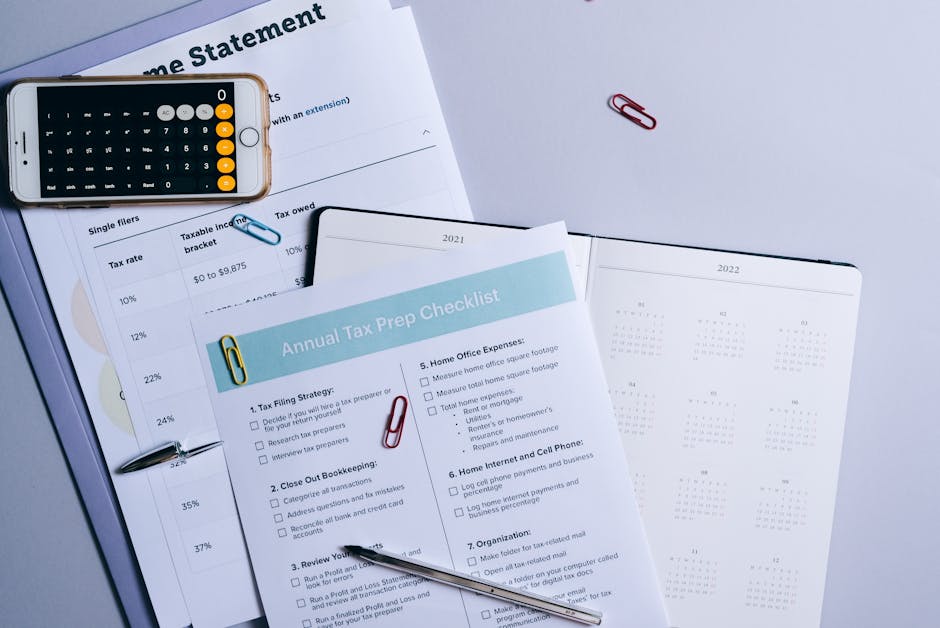
Bookkeeping for startups and small businesses is the process of systematically recording, organizing, and tracking every financial transaction your company makes — from sales and expenses to payroll and tax remittances.
Here’s a quick-reference breakdown of what it involves and why it matters:
| What It Is | What It Covers | Why It Matters |
|---|---|---|
| Day-to-day financial recordkeeping | Income, expenses, payroll, invoices | Legal compliance and tax readiness |
| The foundation of accounting | Assets, liabilities, equity | Accurate financial statements |
| A compliance requirement | Sales tax, IRS filings, W-2s | Avoid audits and penalties |
| A growth tool | Cash flow, profitability, trends | Smarter business decisions |
Most founders start a business because they’re good at something — not because they love tracking receipts. But here’s the hard truth: cash flow problems sink 21.5% of small businesses in their first year.
That’s not a product problem. That’s a financial visibility problem.
Poor bookkeeping doesn’t just make tax season painful. It leaves you flying blind — unable to see which clients are profitable, when cash will run out, or whether you can afford that next hire.
The businesses that survive and scale aren’t necessarily the ones with the best product. They’re the ones where someone is watching the numbers closely — and acting on what they see.
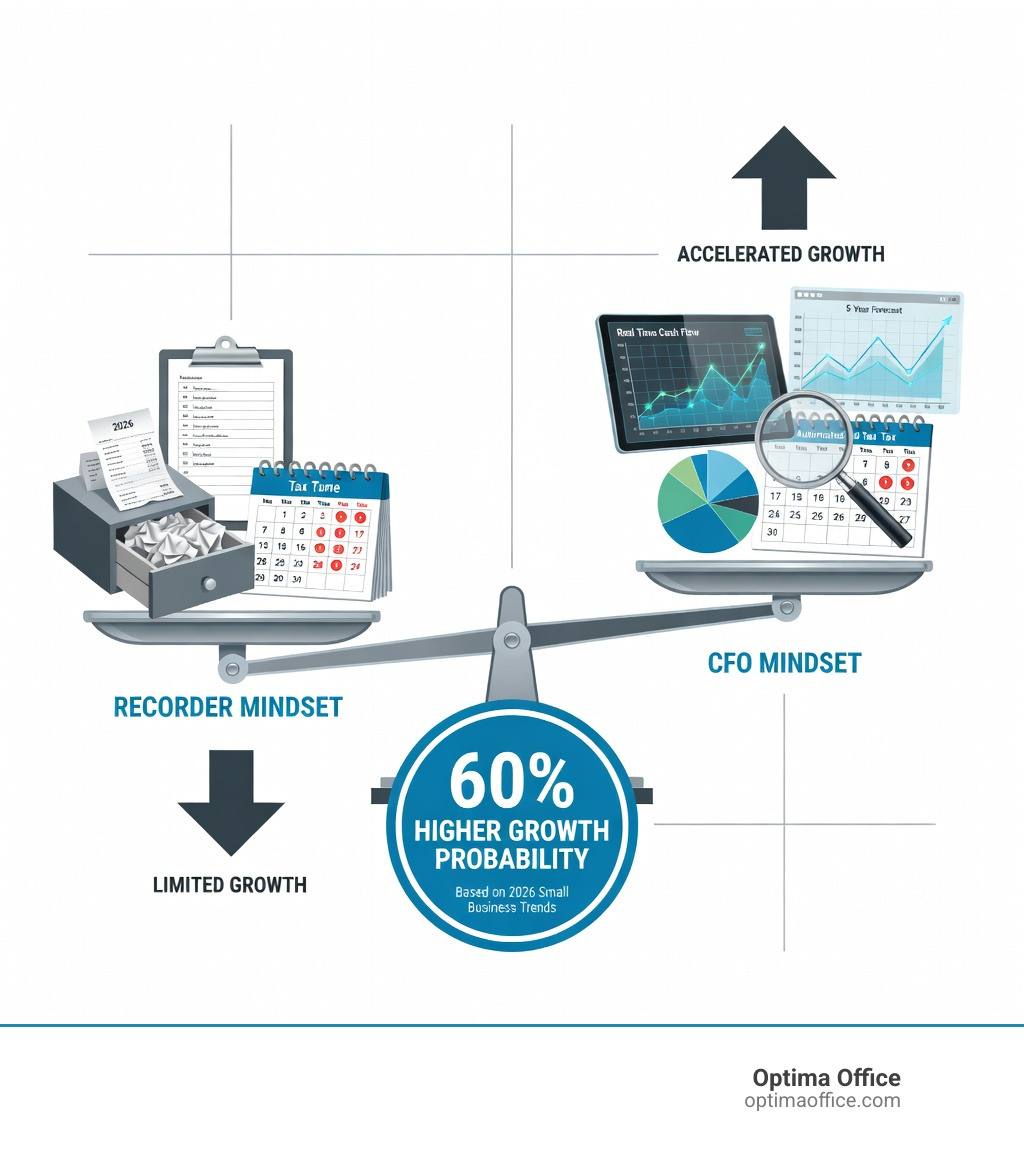
That’s the CFO mindset. And even if you’re not ready to hire a CFO, you can start building that discipline right now through strong bookkeeping habits.
Bookkeeping vs. Accounting: Building a Strategic Foundation
We often hear business owners use the terms “bookkeeping” and “accounting” interchangeably. While they are cousins, they aren’t twins. Understanding the difference is the first step toward moving from a “recorder” mindset to a “CFO” mindset.
Bookkeeping is the administrative, day-to-day process of recording transactions. It’s the “data entry” phase where we ensure every penny is accounted for. Accounting is the higher-level process of analyzing that data to create a financial story. Think of it this way: the bookkeeper builds the road, and the accountant (or CFO) tells you where the road is leading.

For US-based businesses, these records must adhere to specific standards. Most will use US GAAP (Generally Accepted Accounting Principles), which ensures your financial statements are “reliable” and “comparable” in the eyes of banks and the IRS. Following these standards is essential for maintaining transparency and securing future investment.
| Task | Bookkeeping | Accounting/Controller |
|---|---|---|
| Data Entry | Yes | Oversight Only |
| Bank Reconciliation | Yes | Review/Audit |
| Tax Filing (Sales Tax) | Preparation | Final Review/Filing |
| Financial Analysis | Basic | Advanced/Strategic |
| Budgeting | Input | Strategy & Forecasting |
To dig deeper into how these roles evolve as you grow, check out our guide on the difference between bookkeepers and controllers.
Mastering the Basics of Bookkeeping for Small Business
To build a solid foundation, we focus on five key pillars: accuracy, reliability, timeliness, consistency, and simplicity.
- Accuracy: Use precise figures. Estimates are for projections; bookkeeping is for facts.
- Reliability: Ensure costs go to the right buckets. For example, direct manufacturing costs belong in “Cost of Goods Sold” (COGS), not general office expenses.
- Timeliness: Record transactions as they happen. Waiting until the end of the month is how receipts go missing.
- Consistency: Use the same rules every time so your year-over-year data actually makes sense.
- Simplicity: Don’t overcomplicate your system. Enter each transaction once and keep it moving.
A great starting point for US owners is setting up an IRS Online Account, which serves as your digital hub for tax compliance and payment history.
The Role of Managerial Accounting in Startups
Once the books are clean, we move into managerial accounting. This is where we use your financial data for internal decision-making. Instead of just looking at what happened last month, we look at why it happened.
Are your margins shrinking because of supplier costs? Is your “burn rate” higher than expected? By creating internal reports and trend analyses, you can pivot your strategy before a cash crunch hits. This proactive approach is a hallmark of the role of bookkeepers, controllers, and CFOs in a healthy startup ecosystem.
The Essential Guide to Bookkeeping for Small Business Success
Setting up your bookkeeping for small business isn’t just about picking software; it’s about creating a structure that can scale. If you start with a messy “shoebox” method, you’ll spend thousands later just to clean it up.
The first rule of business finance: Never mix personal and business funds. Mixing them is a massive red flag that can trigger IRS audits. Open a dedicated business bank account immediately. Next, you’ll need to apply for an Employer Identification Number (EIN) if you have employees or operate as a corporation. This number is your gateway to federal tax filing and payroll remittances.
For many startups, starting with professional bookkeeping services ensures these early steps are handled correctly from day one.
Setting Up Your Financial Structure
Your Chart of Accounts (COA) is the index of every financial category in your business. This typically includes:
- Assets: What you own (cash, inventory, equipment).
- Liabilities: What you owe (loans, credit cards, accounts payable).
- Equity: The owner’s stake in the business.
- Revenue: Money coming in from sales.
- Expenses: Money going out (rent, software, marketing).
If you are a freelancer or sole proprietor, you will eventually use these categories to fill out Schedule C (Form 1040) during tax season to report your business income and expenses.
Scaling Your Bookkeeping for Small Business Growth
As you grow, your bookkeeping needs to become more robust. This means implementing “internal controls”—processes that prevent fraud and errors. For example, the person who writes the checks shouldn’t be the same person who reconciles the bank statement.
Furthermore, you must maintain a clear audit trail. The IRS generally requires you to keep records for three to seven years, depending on the nature of the document. Digital backups are your best friend here. If you’re feeling overwhelmed by the volume of transactions, it might be time to consider why your business needs fractional bookkeeping services to maintain high standards without the cost of a full-time hire.
A Step-by-Step Checklist for Financial Compliance
Staying compliant isn’t a once-a-year event; it’s a series of habits. About 60% of owners say accounting “trips them up,” leading to avoidable errors.
- Daily: Log every transaction and check your cash flow.
- Weekly: Review unpaid invoices and settle bills. Use Net 30 terms to manage your outgoing cash effectively.
- Monthly: This is the most critical time. You must reconcile your accounts. This means matching your bookkeeping software to your bank statement to ensure no transaction was missed or duplicated.
Following IRS record keeping requirements is mandatory. If you find these tasks are eating up 15+ hours of your month, outsourcing bookkeeping saves time and cost, allowing you to focus on revenue-generating activities.
Managing Payroll and Tax Remittances
If you have employees, you are now a tax collector for the government. You must deduct Social Security, Medicare, and federal income tax from every paycheck. These must be remitted to the IRS on a strict schedule, along with state-level requirements.
At the end of the year, you are responsible for issuing W-2 Wage and Tax Statements to employees and 1099-NEC forms to independent contractors. Missing these deadlines can result in penalties that hit your bottom line hard.
Year-End Procedures and Tax Readiness
Your year-end checklist should start in December. It includes:
- Inventory Stocktake: Counting every item on hand to value your inventory.
- Closing the Books: Ensuring all entries for the year are finalized.
- Filing Taxes: For corporations, this means the Form 1120 U.S. Corporation Income Tax Return, usually due the 15th day of the 4th month after your fiscal year-end.
- Foreign Assets: If you hold more than $10,000 in foreign financial accounts, you’ll need to file an FBAR (FinCEN Form 114).
Leveraging Technology and Automation in 2025
We are living in the golden age of financial tech. Modern software can automate up to 75% of bookkeeping tasks, saving the average small business owner about 15 hours every month.
Cloud platforms like QuickBooks Online, Xero, and Wave allow for “bank feeds,” where your transactions flow automatically into your books. AI-powered tools can now categorize these transactions with surprising accuracy. However, automation still needs human oversight. AI doesn’t know if that “Amazon” charge was for office supplies or a personal gift.
By overcoming the stigma of outsourcing your accounting, you can leverage these tools alongside professional expertise to get a real-time view of your health.
Choosing the Right Software Ecosystem
When picking bookkeeping software, look for:
- Mobile Accessibility: Can you snap a photo of a receipt on the go?
- Integration: Does it talk to your CRM or your QuickBooks Payments platform?
- User Permissions: Can you give your bookkeeper access without giving them full control over your bank account?
- Data Security: Ensure the platform uses bank-level encryption.
Avoiding Common Bookkeeping Pitfalls
Even with the best software, mistakes happen. Here are the “big four” we see most often:
- Mixing Funds: Using the business card for a personal grocery run.
- Missing Deadlines: Late sales tax filings carry heavy interest.
- Messy Records: Not attaching digital receipts to transactions.
- Ignoring Reports: Having the data but never looking at your Profit & Loss (P&L) statement.
These are the expensive mistakes of poor bookkeeping that can lead to significant audit penalties and financial loss.
Frequently Asked Questions about Small Business Bookkeeping
How long must I keep my business financial records?
According to the IRS, you must keep all records and supporting documents for three to seven years from the date you filed your original return or two years from the date you paid the tax, whichever is later. This includes invoices, receipts, bank statements, and payroll records. We highly recommend digital storage with cloud backups to ensure they remain legible and accessible. For more details, see the IRS record retention guide.
When should I hire a professional bookkeeper?
There is no “magic” revenue number, but you should consider hiring a pro when:
- You are spending more than 5 hours a week on data entry.
- You are consistently missing tax deadlines.
- Your business is growing, and you need accurate financials for a loan or investor.
- You feel anxious every time you open your banking app.
Sometimes, why your business needs more than just a bookkeeper comes down to needing strategic advice that a basic data-entry clerk can’t provide.
What is the difference between cash and accrual accounting?
- Cash Accounting: You record income when the money hits your bank and expenses when the money leaves. It’s simple but can be misleading if you have large unpaid bills.
- Accrual Accounting: You record income when you send the invoice and expenses when you receive the bill. This provides a much more accurate picture of long-term profitability, especially when dealing with Net 30 terms.
Better Bookkeeping for Startups & SMBs
Mastering bookkeeping for startups and small businesses isn’t just a chore — it’s a competitive advantage. When you have clean books, you have the clarity to make bold moves, the confidence to face an audit, and the data to drive growth.
At Optima Office, we believe that small and mid-sized companies deserve the same financial expertise as giant corporations. Whether you need a fractional CFO to guide your strategy or a dedicated bookkeeper to keep your records pristine, our team is ready to deploy within 3-5 days to help you maximize profits and minimize risk.
Ready to stop “recording” and start “leading”? Learn more about our outsourced accounting services and let’s build your strategic foundation together.